Halloween Safety for Kids With Food Allergies
Costumes, pumpkins, and trick-or-treating are Halloween traditions children look forward to all year. For parents of children with food allergies, those celebrations can also bring concerns about unfamiliar candy and accidental exposures.
At Allergy and Asthma Care of Brooklyn, we want children to enjoy Halloween while staying prepared. These practical steps can help your family celebrate more safely.
Make a plan before heading out
Agree on one simple rule: no eating collected candy until an adult checks it at home.
Give your child a meal or snack before trick-or-treating, and bring treats you have already checked so they have something to enjoy along the way. Remind them not to trade candy or share snacks with friends.
For younger children, practice a phrase such as, “My parent needs to check that first.”
Check every label- even familiar favorites
Never assume a candy is appropriate for your child because they have eaten that brand before. Ingredients can change, and miniature, seasonal, or fun-size versions may differ from the regular product.
Read the complete ingredient list and allergen information on the exact package. If a small wrapper does not provide enough information, set it aside until you can verify the matching original packaging or contact the manufacturer.
Skip homemade treats collected while trick-or-treating, unwrapped foods, and candy with damaged packaging. If you cannot confirm whether a treat is suitable for your child, choose something else. Follow your allergist’s guidance about precautionary warnings and possible cross-contact.
Look for teal pumpkins
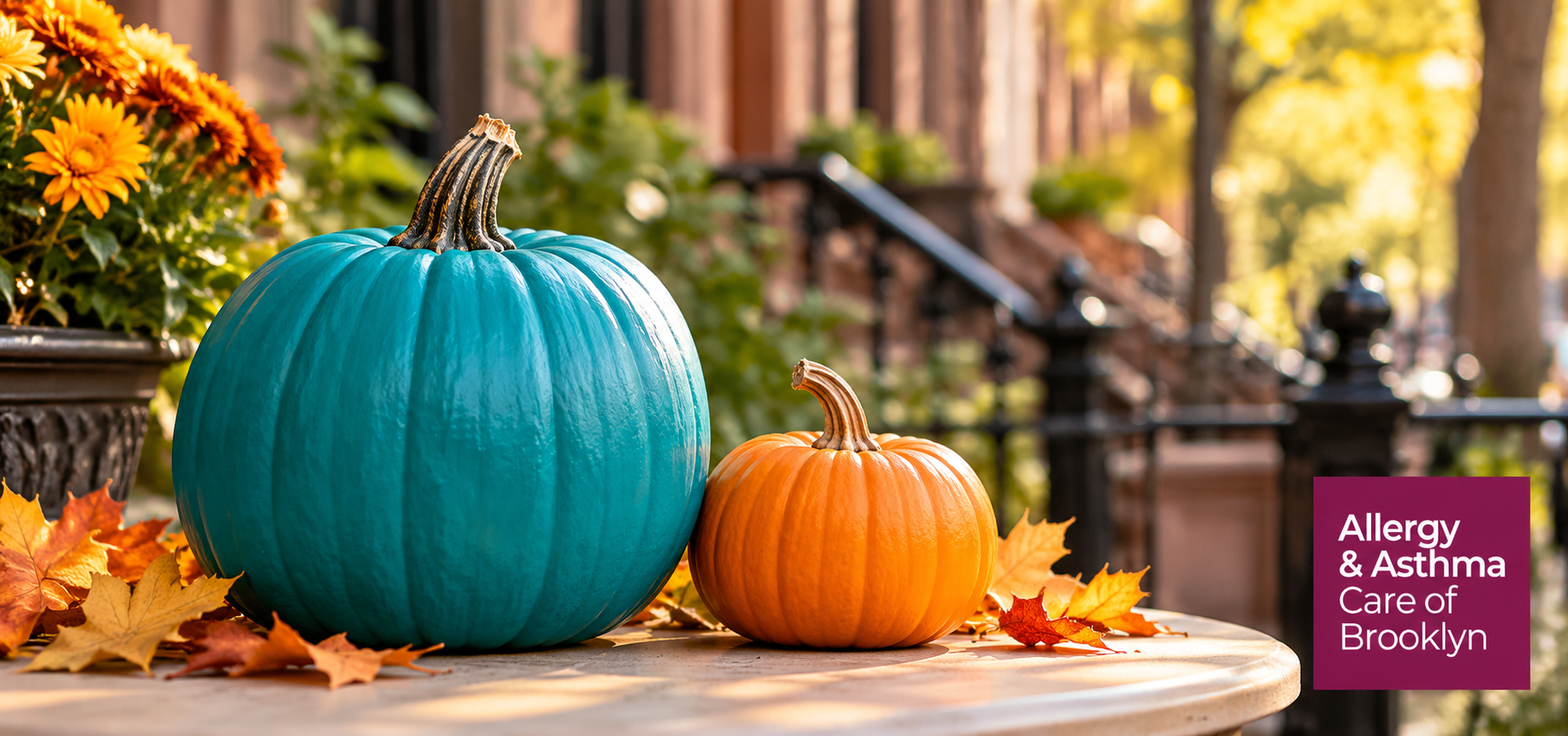
Have you noticed a teal pumpkin on a neighbor’s doorstep? Through FARE’s Teal Pumpkin Project, it signals that non-food treats are available.
Stickers, pencils, bookmarks, and glow sticks let children participate without having to accept candy. A teal pumpkin does not mean every food offered at that home is appropriate for your child, so continue checking all treats.
To participate at your own home, keep non-food goodies in a separate bowl from candy. Choose age-appropriate items and avoid small toys that could pose a choking hazard.
Plan ahead for school parties
Speak with your child’s teacher or party host before the celebration. Discuss your child’s allergies, which foods they may have, and whether you should send an approved snack.
Ask about shared serving utensils and surfaces that could transfer allergens onto your child’s food. Make sure the responsible adult knows where emergency medication is kept and how to follow your child’s written allergy action plan.
Encourage activities everyone can enjoy, such as pumpkin decorating, costume contests, crafts, or scavenger hunts.
Keep emergency medication close
If your child has prescribed epinephrine, bring two doses and their written emergency action plan. Check expiration dates before Halloween and make sure the accompanying adult knows how to use the prescribed device.
Keep medication readily accessible throughout the outing, and carry a charged phone.
Know when to act
Signs of a serious allergic reaction can include trouble breathing, throat tightness, a hoarse voice, faintness, or symptoms affecting more than one body system, such as hives together with vomiting. A serious reaction can happen without hives.
For suspected anaphylaxis, give epinephrine immediately and call 911. Follow your child’s emergency action plan.
Antihistamines do not replace epinephrine or treat the life-threatening breathing and circulation problems of anaphylaxis. If symptoms persist, worsen, or return, a second dose may be needed after about five minutes, according to the action plan and device instructions.
Get emergency medical care even if your child seems better.
Turn the candy swap into a tradition
Choose a fun exchange before Halloween: your child can trade treats they cannot eat for checked favorites, a book, a small toy, or a special activity.
Letting them help choose the reward can make sorting candy feel like another enjoyable part of the evening.
Halloween memories come from dressing up, being with friends, and feeling included. With preparation and a clear allergy plan, families can focus more on those moments.
Have questions about your child’s food allergies?
Allergy and Asthma Care of Brooklyn can help you review your child’s food allergies, emergency medications, and personalized action plan. Contact our office to schedule a visit.
This article provides general education and does not replace your child’s individualized medical advice or emergency action plan.
Resources for families